The Hidden Supply Chain Risk in Vaccines: Why Sustainably Sourced Squalene Matters
Ingredient security is no longer a background consideration for vaccine formulators and manufacturers. It is now critical high-quality ingredients are sourced from proven partners, that can provide a secure and consistent supply to support the vaccines of tomorrow and equally be prepared to deliver a resilient supply through future pandemics.
There has been growing momentum to not just focus on the intricate parts of the vaccine development supply chain, but to go straight to the source of the ingredients. Where are they coming from? Is the source unlimited in supply, without having a negative impact on ecosystems and the environment? Squalene is a clear example of innovators asking questions at the right time.
Squalene is a well-established component in emulsion adjuvant systems; it plays an important role in vaccine formulation. Squalene is used to help strengthen the body’s response to the vaccine antigen, supporting protection against diseases like seasonal influenza and emerging pandemic flu strains. Beyond influenza, squalene containing adjuvant systems continue to be explored in clinical development across other disease areas.
Traditionally, squalene has been sourced from deep-sea shark liver, a practice that raises sustainability and ethical concerns. The latest amendment to CITES (the Convention on International Trade in Endangered Species of Wild Fauna and Flora) Appendix II includes all gulper sharks (Centrophoridae spp.), a family of species historically used for squalene because some have very large livers with high squalene concentrations. Regulation of responsibly sourced shark-derived squalene is tightening, with increased monitoring requirements expected to become effective during 2027. This regulatory change reflects the objective of protecting these species and helping ensure that international trade does not compromise their survival in the wild. Countries that do not adopt the Appendix II amendment would still need to comply with CITES requirements for export purposes. As a result, there is a high likelihood that this will place additional pressure on an already constrained supply chain, affecting both availability and pricing.
A broader conversation has begun. By switching from shark-derived squalene to Croda Pharma’s Sustainably Sourced Squalene, vaccine formulators and manufacturers can access a non-animal-derived, secure, consistent, and high-purity source. This fermentation-based source offers the flexibility to scale up rapidly in response to market demand. Fermentation-derived squalene is not subject to CITES regulation.
To explore this further, we spoke directly to our experts to share their perspectives on the future of Sustainably Sourced Squalene. From sustainable sourcing and manufacturing scale-up to quality assurance. Hear from Dr. Rasmus Münter (Lead Research Scientist), George Grimsey Jones (Sector Sustainability Specialist), Rebecca Murray (Operations Manager – Leek U.K.), Helen Albans (Regulatory Submissions Manager), Davina Nagington (Quality Control Manager, Leek U.K.).
Why is the industry shifting toward sustainable alternatives to traditional squalene sources?
Ethical concerns about sourcing have been a major driver of research into alternative sources. The vaccine industry has also contributed, driven by growing sustainability goals and a stronger focus on environmentally responsible production.
This is part of a broader global trend in societies toward increased focus on wildlife protection, a trend that has gained momentum over recent decades. Studies demonstrate that shark and ray populations play a vital role in maintaining healthy marine ecosystems. Many shark species used for squalene also reproduce slowly and have long lifespans, which makes them especially vulnerable to depletion and population collapse. Squalene is used not only in pharmaceuticals but also in personal care products. The demand has historically contributed to unsustainable fishing practices and biodiversity loss.
As a result, all gulper sharks (Centrophoridae spp.) have recently been included in CITES Appendix II. International trade in materials derived from these species will therefore be subject to stricter controls, including documentation demonstrating compliance with CITES requirements. This is expected to make traditional deep-sea shark-derived squalene more difficult to source, with likely implications for cost, availability, and lead times.
.jpg?w=150&la=en-GB&focalpointcrop=1&xratio=1&yratio=1&hash=2C383339EEFC1806DDFB814012AEEDA5)
George Grimsey Jones, Sector Sustainability Specialist
.png?w=150&la=en-GB&focalpointcrop=1&xratio=1&yratio=1&hash=364F212229547192032BC37F51E9EE1C)
Dr. Rasmus Münter, Lead Research Scientist
What challenges do vaccine manufacturers face today when sourcing squalene?
George Grimsey Jones, Sector Sustainability Specialist
What does “sustainably sourced squalene” mean in practice?
The material is characterised by high purity of ≥99%, in line with the stringent requirements of vaccine manufacturers. It also demonstrates strong stability, can be shipped at ambient temperature, and has proven compatibility in emulsion adjuvant systems. Together, these attributes make it a practical and reliable option for vaccine applications.
Dr. Rasmus Münter, Lead Research Scientist
George Grimsey Jones, Sector Sustainability Specialist
How does Sustainably Sourced Squalene compare to the well-established and proven shark-derived squalene?
Croda is committed to being climate, nature, and people positive, and Sustainably Sourced Squalene has clear alignment with all three. This is an ongoing journey. We also have various programs and embedded processes working to continuously improve the sustainability of our operations and supply chains.
George Grimsey Jones, Sector Sustainability Specialist
Why is supply chain security so important for vaccine adjuvants and pharmaceutical excipients?

Rebecca Murray, Operations Manager – Leek U.K
How does Croda Pharma ensure continuity of supply during periods of high global demand?
Rebecca Murray, Operations Manager – Leek U.K
Why does purity matter so much in vaccine and injectable applications?
Global regulatory agencies expect injectable excipients to be of high purity (≥99%) and well characterised including full impurity profiling. Vaccines are specifically designed to stimulate the immune system, so any impurity has a heightened risk of unexpected molecules being recognised as antigens that can lead to adverse patient reactions such as hypersensitivity, autoimmune responses and increased reactogenicity (pain, inflammation and fever).
High purity excipients ensure consistent adjuvant performance through known composition. Squalene is used in emulsions (e.g., oil-in-water systems) where the exact composition can affect droplet size, stability of the emulsion and interaction with immune cells.
Impurities can disrupt emulsion structure, affect biodistribution and lead to inconsistent immune responses between batches. High purity ensures reproducibility, which directly impacts on vaccine potency and consistency which is essential for clinical trial comparability, manufacturing validation and positive patient outcomes.

Helen Albans, Regulatory Submissions Manager
What additional quality testing or controls are in place beyond standard pharmacopeia requirements?

Davina Nagington, Quality Control Manager, Leek U.K
What role does manufacturing expertise play in maintaining product integrity and quality at scale?
Davina Nagington, Quality Control Manager, Leek U.K
Why do you believe the technology and manufacturing process of Sustainably Sourced Squalene represent the future for squalene supply for vaccines?
This aligns with Croda’s sustainability ambitions, including its Commitment to be Climate, Nature and People Positive by 2030. Developing a viable alternative to animal-derived squalene is a natural extension of that commitment and supports customers in addressing both sustainability and supply challenges.
George Grimsey Jones, Sector Sustainability Specialist
Dr. Rasmus Münter, Lead Research Scientist
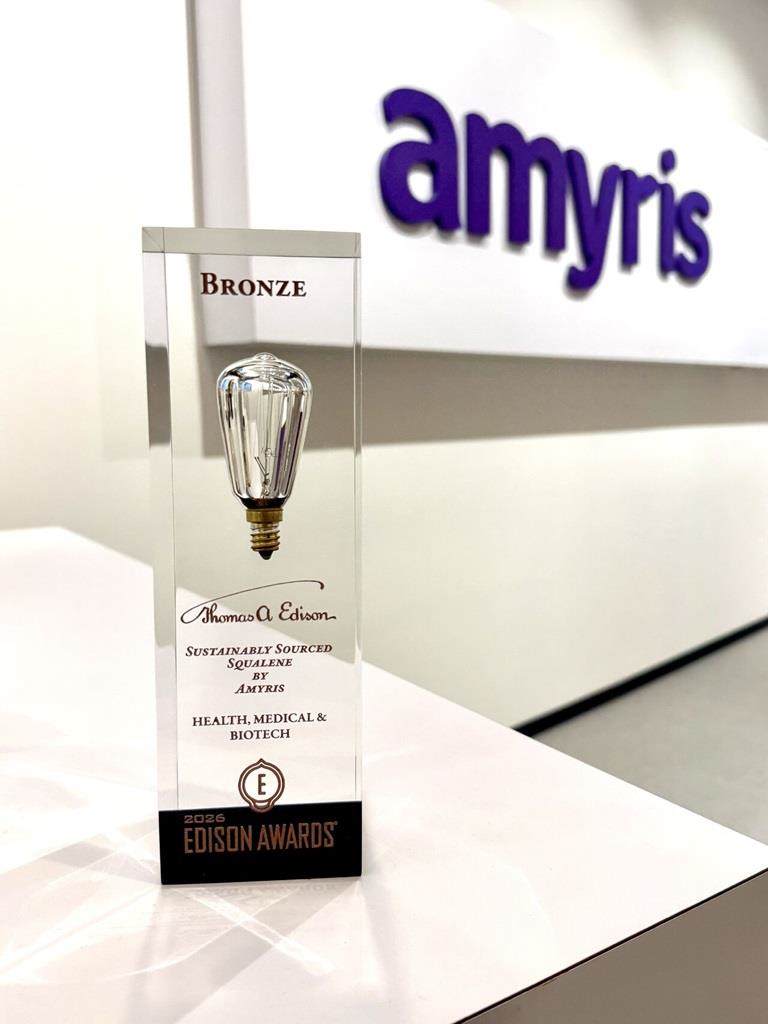
Partnership to protect biodiversity
Whitepaper: Vaccines for a more sustainable future

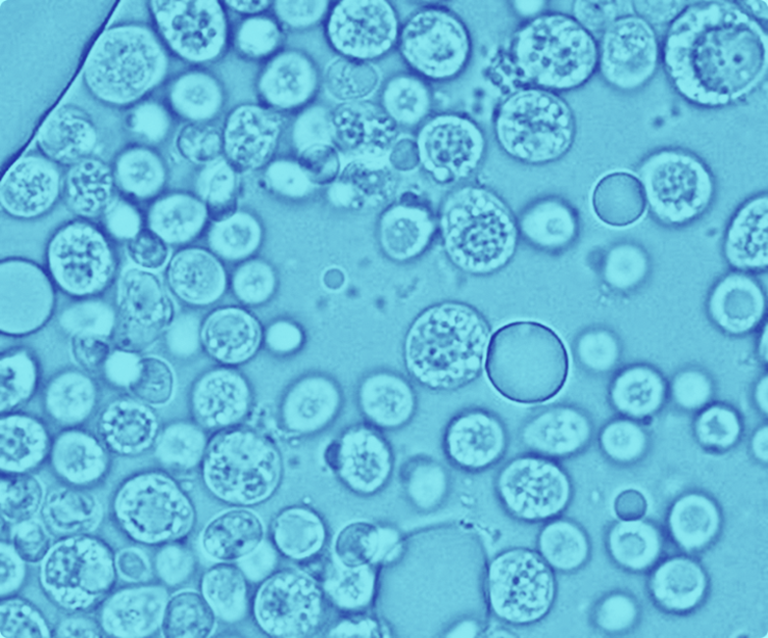
Sustainably Sourced Squalene

Sustainability for vaccines: Decarbonisation of one of our key sites
.jpg&mn=healthcare&w=768&xr=0&yr=0&xfp=6&yfp=6&hash=759CB83702D0BA63DE2DB96F3DEFB82519C138999FEC74AA)
Sustainably Sourced Squalene

Sustainable vaccines
Empowering the development of tomorrow's vaccines
