
Formulate the future: Unlocking sustainable ingredients for vaccines
We envision a future where everyone gets the vaccines they need. This reality relies on maintaining vaccine access and continuing to innovate in this realm. The responsibility is on us all to not only select sustainable ingredients, but to secure supply chains and sources that will not deplete in the future.
The vaccines of tomorrow
The vaccines of tomorrow revolve around, among other factors, sustainable supply chains and access to scalable commercial supplies that do not put undue pressure on the natural environment. It is our responsibility to future-proofed vaccines by focusing on longevity in our processes. With combined global efforts, we can enhance the global health infrastructure, leading us to develop vaccines with continually improving efficacy against more diseases and supporting our preparedness for future outbreaks.
Squalene and QS 21 are two highly-performing components of vaccine adjuvant systems that are currently used in lifesaving vaccines. However, they are both obtained from limited natural sources, leading to a search for more sustainable alternatives.
Future-ready vaccines start with sustainable supply
Tomorrow’s vaccines depend on resilient, scalable supply chains that support both global health and the natural world. Building that future means choosing critical ingredients that deliver performance without compromising biodiversity.
Squalene is a proven ingredient in vaccine adjuvant systems used in seasonal and pandemic vaccines. Traditionally sourced from shark liver, it presents a clear biodiversity challenge and highlights the need for a more sustainable alternative.
That challenge sits within a wider global agenda. IPBES (Intergovernmental Science-Policy Platform on Biodiversity and Ecosystem Services), the leading global platform on biodiversity, translates science into action and helps policymakers and organisations understand why nature matters - and what to do to protect it. It works alongside the IPCC (Intergovernmental Panel on Climate Change) to show that climate change and nature loss are deeply connected - and that effective solutions must address both together.
Partnering for Sustainably Sourced Squalene
The strategic partnership with Amyris Inc., a leader in synthetic biology, helped accelerating the commercial availability of Sustainably Sourced Squalene that fulfils the stringent requirements from vaccine manufacturers while supporting supply security and reducing pressure on marine biodiversity.
It is not only an example of how Croda implements our Commitment, to be Climate, Land, People, and Nature Positive by 2030. It further demonstrates how innovation, better data and collaboration can contribute to nature-positive transformation in line with IPBES’ advice.
Contact us to continue your sustainable journey today!
Partnering for sustainable vaccines
Our partnerships with Amyris and BSI will expedite the commercial availability of sustainably sourced squalene and QS 21, and are two examples of putting our commitment, to be Climate, Land, People, and Nature Positive by 2030, into action. Our sustainably sourced solutions are comparable or go beyond their precursors, and offer consistent high purity. For instance, our sugar-derived squalene uses fermentation to ensure consistently higher purity from a traceable and reliable source. The cutting-edge technology centres on synthetic biology to exceed monograph compliance and fulfil manufacturers' requirements. Meanwhile, our next-generation QS 21 uses a patented R&D platform based on plant tissue culture to offer a scalable, consistent, and more sustainable supply of QS 21.
Contact us to continue your sustainable journey today!
.png?la=en-gb&hash=FE805AEB0B35DCCE5EDCD2A8B2413C5C)
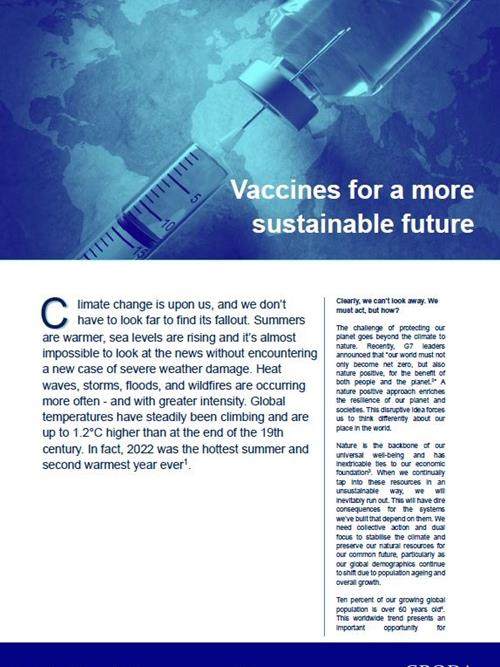
Vaccines for a sustainable future
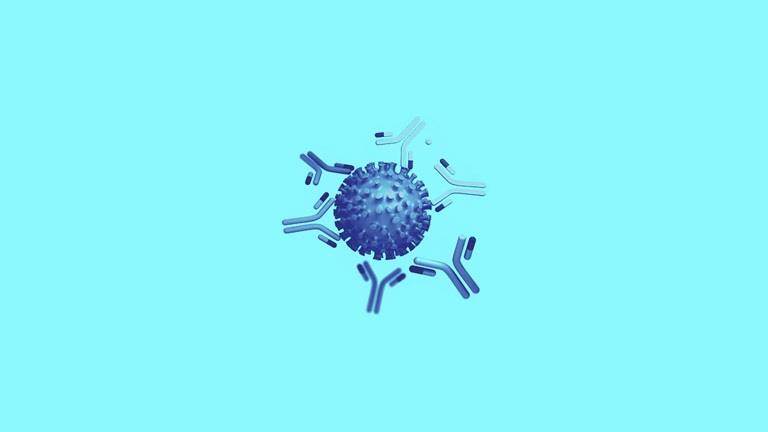
Adjuvant Systems
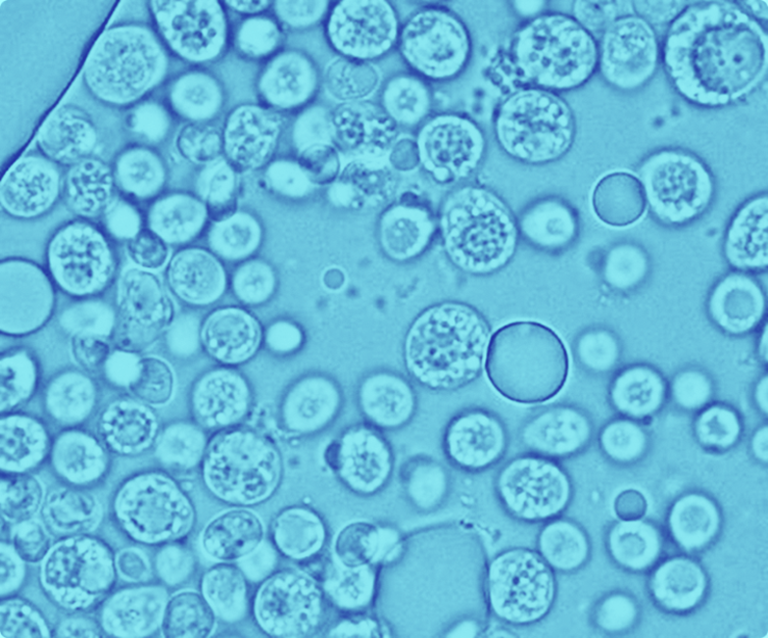
Sustainable Squalene

Os mais altos padrões de fabricação de adjuvantes
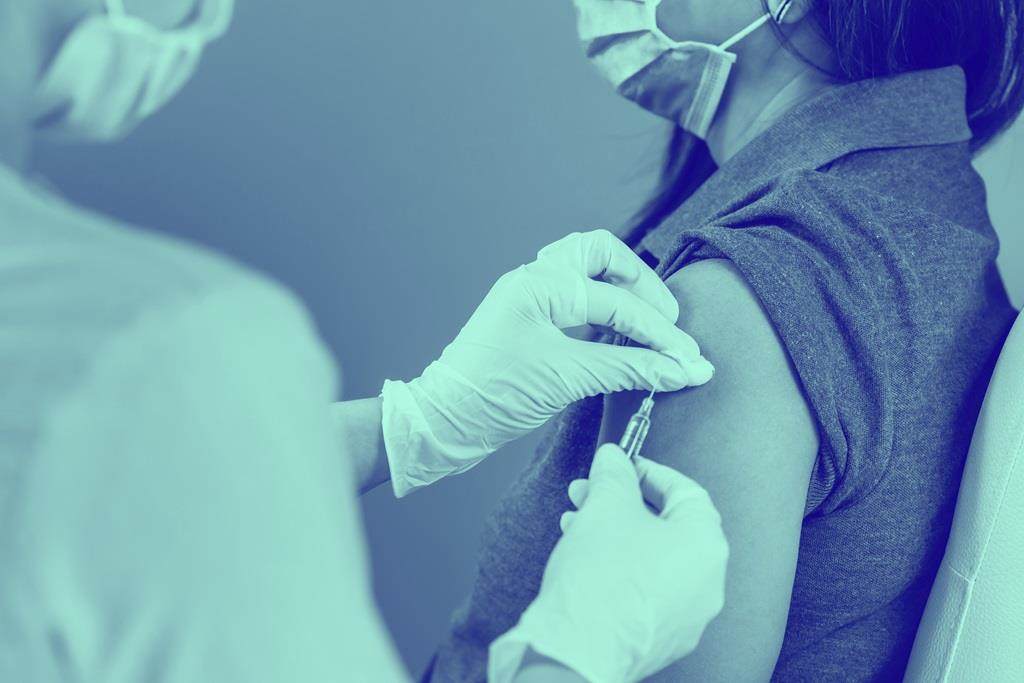
Um histórico de apoio às vacinas
Comprometidos com o sucesso da sua vacina
Register your interest:
Literatura de apoio
Empowering the development of tomorrow's vaccines

Vaccines for a sustainable future